
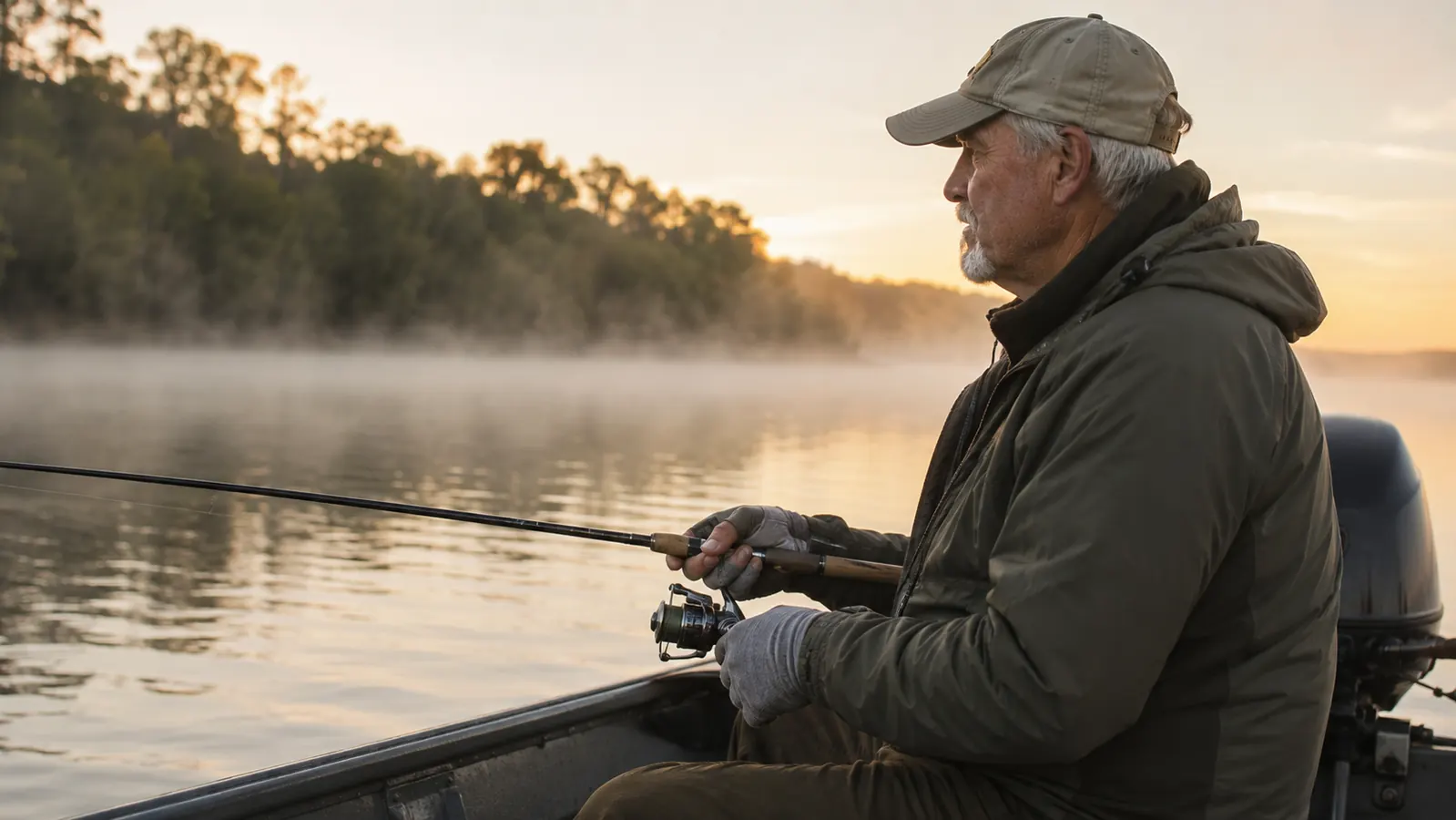
The honest thing I did not want to do was spend money on a pair of gloves because my hands were getting old. That felt like surrendering. A man who has held a rod since he was a boy does not like to admit the fingers are starting to cramp by mid-morning, or that his grip is not what it was when he had palms like leather. So last spring I did the stubborn thing and pretended the twinges would sort themselves out. They did not. By August I was doing real damage to a good day on the water, reeling one-handed and switching rods more than I wanted to.
I bought a pair of Copper Compression arthritis gloves out of desperation and a bait-shop excuse. A man I trust, who fishes every April to November, swore his pair let him switch rods without wincing. I figured the copper was a story, but the compression sounded like it might have legs. A full season later, one guess proved right and one was flat wrong. I want to hand you that honest version.
The Quick Verdict
A genuinely supportive compression glove for worn, tired hands, with a fingerless cut that keeps your fingertips free to feel a bite. The compression and warmth did real, repeatable things for my grip. The copper itself does nothing, and you should treat the price like you are paying for the fit, not the metal.
Amazon Check Today's Price →The gloves that kept my hands fishing a full season
After months of casting, reeling and field work, this is what I reach for before every trip now. If tired hands are cutting your days short, this is worth a look at today's price.
Amazon Check Today's Price on Amazon →How I've Used Them
I wore these Copper Compression gloves on both hands for the better part of a full season, from the first warm weekend of spring through late fall. That means casting and reeling on the river, rowing on the ponds, knot tying, and enough trips to the camp that the gloves lived in my tackle bag next to the pliers instead of in the dresser drawer where most impulse buys go to die. The brace part of the design, that firmer wrap across the wrist, ended up being more useful than I gave it credit for in the store.
I am 64, retired, and I have fished hard my whole life. My hands and wrists carry decades of cold mornings, tight grips, and long hours reel-cranking. By the time the season wore on, my knuckles ached in the damp and my thumb joint greeted me whenever I palmed a reel. I did not expect a cure, and I did not get one. What I got was more time on the water, and for a man in my position, that counts for a lot.
I also wore them around camp and for short stretches in the field to test whether they helped for everyday stiffness, not just heavy use. The honest answer is that they help most when I am actually working the hands, casting, gripping, and reeling, and far less when I am just sitting around a fire nursing a stiff joint. If you buy them expecting comfort on the couch, you will be as disappointed as I was. On the water, though, where the fingers are doing the job, they pulled their weight.
What the Compression Actually Does
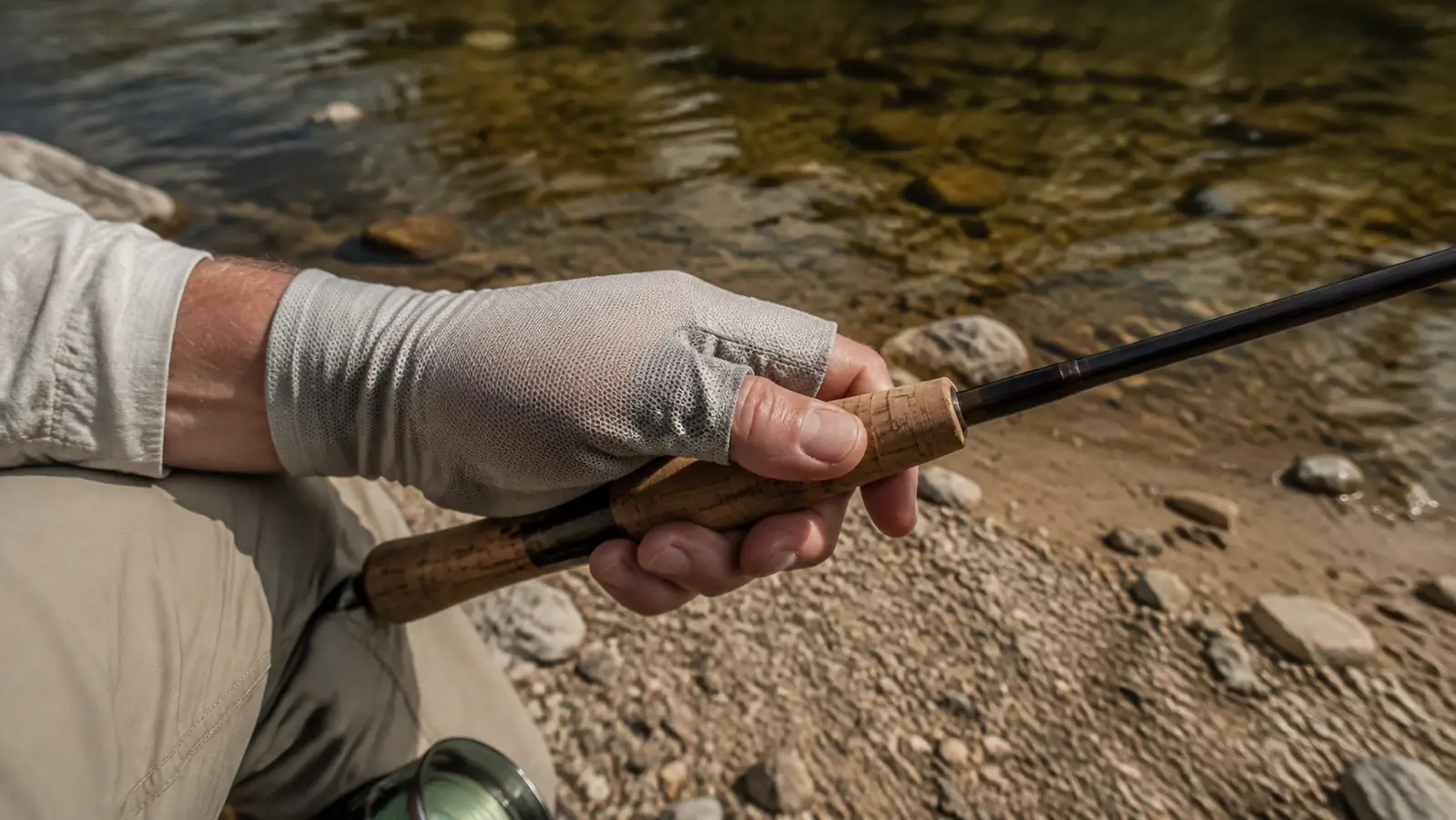
The Copper Compression glove is built like a thin, firm compression sleeve that covers the back of the hand, the palm, and the wrist, but leaves the tips of the fingers open. That fingerless cut is the whole trick, and it is a good one. It means you keep the warmth and the squeeze across the joints that ache, the knuckles and the base of the fingers, while your fingertips stay bare so you still feel the delicate nibble of a fish on the line. There is no glove that is all things at once, but this design splits the difference about as well as I have found.
What the compression did for me was steady and a little hard to describe until you feel it. It is a constant, gentle squeeze across the hand and a tighter band at the wrist. That squeeze gave my joints feedback, a small reminder of where the knuckles were, and it kept warm air trapped against tired muscles. On a damp morning, that warmth mattered more than the squeeze did. A cold, stiff hand does not want to close around a reel. Warm and lightly squeezed, it does, and that is the whole difference between morning number one and morning number forty.
Over a long day the difference added up. My grip lasted longer before the twinges started, and when they did start, they came later and let up faster. I fish, I do not run studies, so I cannot prove what the squeeze changed. But the pattern was repeatable. Days I wore the gloves, I made it to the afternoon sit without the one-handed crutch. Days I left them in the bag, the old complaints showed up by eleven. That was my test, run over and over all season.
Let's Talk About the Copper
I want to spend a minute on the copper in the name, because it is the part everybody asks about and where I owe you the straight answer. The copper thread woven in does not do anything a plain glove with no copper would not do. The squeeze comes from the fabric and the fit, not the metal. Toward the end of the season I borrowed a friend's copper-free glove, not this brand, and my hands felt the same in both.
So why do I still recommend these, with copper in the name and a price that partly reflects the story? Because the glove part, the compression, the fingerless fit, and the wrist support are all genuinely good, and those are the parts doing the work. The copper is a label riding on top of a solid product. Treat it as noise, decide whether the fit and price work for you on their own, and buy for the compression, not the metal.
The one thing I will give the copper is that it has not caused me any trouble. No irritation, no reaction, and it certainly did not keep me wanting to take them off. For what it is, a thread running through the weave, it is harmless. But harmless is not the same as magical, and I would be doing you a disservice if I let the sales pitch do my talking. The compression earned its keep. The copper just rode along.
The copper is a label riding along on top of a solid glove. The squeeze comes from the fabric and the fit, not from the metal, and it is the squeeze that did the work all season.
Fit, Grip, and How They Held Up
The glove has a fit that rewards a little care at the start. The sizing runs pretty true to hand, but you want them snug, because compression that is loose is just a glove that happens to be warm, and that does you no good. I am a medium in most things and the medium was right for me, tight enough to steady the joints without leaving the circulation feeling cut. Check the fit on a long walk before you trust them on a full day of casting, because a glove that bunches up in the palm ruins the very thing you bought it for.
The palm is where the fish is met, and this is where I have to be fair about a tradeoff. The glove covers the palm, and that thin layer changes the feel of the rod handle just a little. On the cork grip it was fine, and on bare line it was fine, but the bare-fingertip feel is the real gift here. You keep the contact with the line and the feel of a strike while the joints stay wrapped. For a fisherman that balance is worth more than a glove that covers everything and leaves you numb.
As far as durability, I was pleasantly surprised. I washed them by hand in cold water and let them air dry, the way the tag says, and through a full season they kept their snugness and did not pill or stretch out of shape. The copper thread did not tarnish my hands or my towel the way I half expected, and the fabric never rubbed raw on the thumb when I palmed a reel. I have had cheaper gloves give up inside a month, so a pair that carried me through a season without losing their squeeze earns a fair word in their favor.

Where It Falls Short
Let me be as honest about the misses as I was about the hits, because a season is a long time to look at a product and I owe you the whole picture. First, the glove is not built for serious rigors. It is a fingerless compression glove meant for grip, warmth and light support, not a heavy work glove and not a grip-bar glove. If you are swinging an axe all day or dragging equipment, the thin fabric will not save you, and the open fingertips put no protection between them and whatever you are grabbing. That is just not what this is.
Second, it does almost nothing for stiffness when you are at rest. I tried wearing them around the campfire and in a cold treestand in between sits, hoping the warmth would carry through, and it was mostly a letdown. The warmth helps when the hands are working and moving blood through them. For sitting-still stiffness you want heat or a rub, not a glove, and I would rather point you at the right tool than have you blame these for a job they do not do.
Third, the copper price fluff is real, and you should treat it as part of the cost. The glove is good enough to stand on its own, but if the copper marketing is the reason you are reaching for this brand over a cheaper plain option you have not yet tried, you are paying a small tax on a story. And the sizing deserves respect, because a glove that does not fit snug will disappoint you no matter whose name is on it.
What I Liked
- Fingerless design keeps your fingertips free to feel a bite while the joints stay wrapped
- Real warmth and compression across the hand and wrist held up through a full season
- Grip lasted measurably longer on long casting days, started failing later and recovered faster
- Wrist support band proved more useful than expected for reeling and palming a reel
- Survived a full season of washing without stretching out or losing its squeeze
Where It Falls Short
- The copper does nothing; you are paying for the fit and the design, not the metal in the name
- Very little help for stiffness when your hand is at rest; this is a working glove, not a couch companion
- Thin fabric and open fingertips offer no real protection for heavy work or cold-weather warmth
- Sizing must be snug to work, so a wrong guess means a useless glove until you swap it
Who This Is For
This is for the angler or outdoorsman whose hands are worn but not done, the one who wants a full day on the water but finds the grip quitting around lunchtime. If warmth, a little squeeze, and a comfortable wrist band are all it takes to keep casting past where the twinges used to start, a pair of these is about as honest a solution as I have found at this price. It kept me in the boat longer and kept me holding the rod, and for a man who measures a good day by how late the first one-handed pause comes, that is the whole test.
It is also a fair fit for anyone with hand or wrist arthritis who wants support without losing the ability to feel fine work, tying knots, threading line, or picking up a small lure. The open fingertips are the reason. If your complaint is grip length and tired joints with your fingertips free to work, this design is aimed right at you. Buy it for the compression and the fit, keep the copper story firmly in the back of your mind where it belongs, and you will likely be as pleasantly surprised as I was.
Who Should Skip It
Skip these if you need real warmth out in freezing weather, because the open fingertips and the thin fabric are no match for a cold that bites right past a fingerless glove. Skip them if you do the kind of work that needs a durable protective layer, because nothing about this glove will stop a blow or a sharp edge. And if your hands mostly ache when you are still, sitting at a desk or resting in a recliner, save your money for a heating pad or a rub and do not blame a compression glove for a job it does not do.
And do me a favor: if you are buying these, or any compression glove, because the copper promises to fix you, set that expectation down at the counter before you pay. The glove helps; the copper does not. Buy it for the squeeze and the fit, and if what you are hoping for is a metal that cures arthritis, you will be disappointed, and I would rather tell you that plainly than have you spend the money and find out the hard way the way I nearly did.
Keep your hands on the rod all season
A full season of casting, reeling and field work and these are the gloves I keep in the tackle bag now. If tired hands are ending your days early, give them a fair chance at today's price.
Amazon See Today's Price on Amazon →